Marine Survey Technology
Survey Vessel Mobilization: The Logistics That Must Be Done Before the Ship Leaves Port
By the time a survey vessel's sonar sends its first pulse to the seabed, most of the factors that decide whether the project succeeds or fails were settled long before, at the quayside. Mobilization—equipping the vessel with the fuel, crew, equipment, and documents it needs before sailing—sounds dull next to the acoustic theory it ultimately serves. But this is exactly the stage where most offshore survey project failures begin.
Mobilization Is About Coordination, Not Just Loading and Unloading
Putting a survey spread aboard a vessel involves more parties than it first appears: logistics from the rig or the client, the support base that handles loading at the quayside, the marine contractor responsible for the vessel itself, and the survey engineer who ultimately needs every piece of equipment to actually work once it is on board. The IMCA S 016 guidance document, "Mobilisation Checklist for Offshore Survey Operations," exists precisely because this kind of coordination ran informally for years, leaving gaps that appeared easily between those roles. Its latest revision, version 2.1, was published in February 2024 and splits the checklist into separate sections—personnel, HSE, survey systems, and reporting procedures—instead of one combined list of requirements.

What Actually Fails, and Why
A published risk study on offshore survey equipment failures groups the main causes into three categories, and human factors turn out to dominate the others: of 76 respondents, 49 named lack of caution as a contributing factor, 40 named inadequate training, and 32 named rushing under time pressure. Among the technical causes, poor equipment condition was named as the main factor by 63.2% of respondents, while sudden weather changes were named by 42.1% as the main natural cause. The same study found that 76.3% of respondents had experienced a project halted by equipment failure to the point that the vessel had to return to port—an expensive outcome, and exactly what the mobilization checklist is meant to prevent.
The Checklist Categories That Really Matter
The structure of IMCA S 016 reflects where mobilization risk is actually concentrated: personnel (certification, competence, medical fitness), HSE (work permits, safety briefings, emergency equipment), and survey systems (sensor calibration status, spare-parts inventory, software licences) are each treated as a checklist domain of their own, rather than folded into one generic "equipment ready" sign-off. The guidance also sets a minimum checklist scope for shorter or less complex mobilizations—acknowledging that a two-day nearshore job and a six-week offshore project clearly carry different logistical loads, even though both are technically called "mobilization."
Containing Risk Before It Becomes Delay
The recommendations from the equipment-failure study itself line up closely with what the IMCA checklist already tries to enforce: testing and inspecting every sensor before it goes into the water, carrying spare parts on the vessel instead of looking for them after a failure, training staff on the specific equipment in use rather than a general vessel induction, characterizing the seabed before the survey to anticipate snagging risk for towed equipment, and managing weather risk actively within the schedule rather than treating it as an unexpected disruption.
Case Study: When the Schedule Has to Absorb Uncertainty
TGS-NOPEC's Barrow Arch 3D seismic project in the Beaufort Sea, submitted to BOEM as a plan of operations, shows how much contingency a well-managed mobilization schedule has to hold: the project plans for around 100 days of data acquisition, but only roughly 70 to 80 of them are expected to be actual effective survey time. The rest is absorbed by weather delays and activity coordination within an Arctic operating window that is logistically limited. This gap between planned days and effective days is not a sign of poor planning—quite the opposite; it is an acknowledgement built into the schedule from the start that mobilization and weather risk in a remote environment must be budgeted for, not discovered halfway through the project.
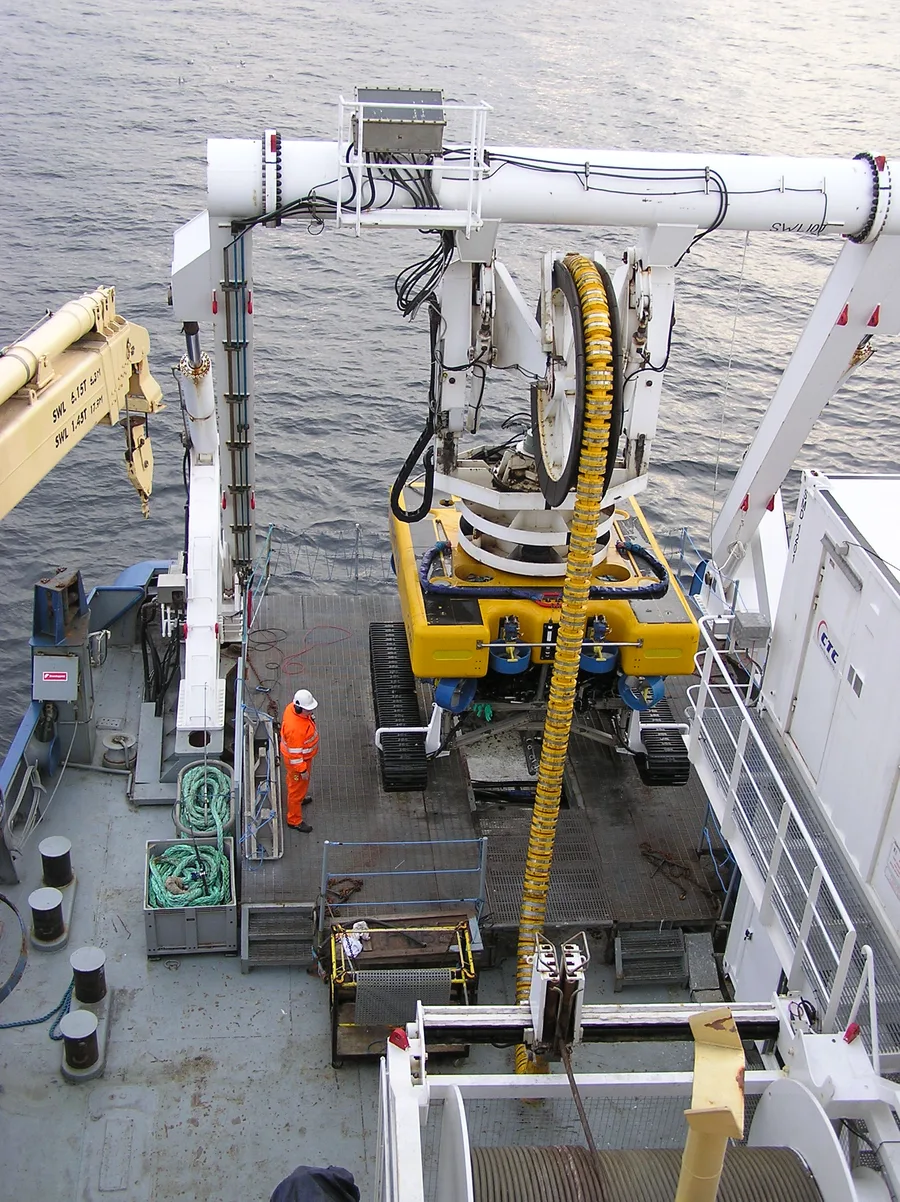
A Checklist Costs Far Less Than the Delay It Prevents
No single item on the IMCA S 016 checklist is expensive to complete at the quayside. But skipping them—a vessel that has to return to port mid-project, a lost towed sensor that cannot be replaced for two weeks, a crew whose missing certification is discovered only after they are offshore—costs far more, both in direct cost and in schedule risk that clients rarely tolerate. Treating mobilization as a formal, checklist-based process rather than informal coordination at the quayside is what keeps risk at the quayside—where it is cheap to fix—rather than at sea, where it is far more expensive to handle.
References
- IMCA, "Guidance on Mobilisation Requirements for Offshore Survey Operations (IMCA S 016)," https://www.imca-int.com/product/guidance-on-mobilisation-requirements-for-offshore-survey-operations/
- "Many Faces of Survey Equipment Failures During Marine Research at Sea — Risk Analysis," PMC, https://pmc.ncbi.nlm.nih.gov/articles/PMC9422978/
- TGS-NOPEC, "Barrow Arch 3D Plan of Operations," BOEM, https://www.boem.gov/renewable-energy/18-02-tgs-beaufort-plan-operations
- MDPI Journal of Marine Science and Engineering, "A Decision Support Tool for Long-Term Planning of Marine Operations in Ocean Energy Projects," https://www.mdpi.com/2077-1312/9/8/810
- Hydro International, "IMCA Publishes Offshore Survey Ops Mobilisation Checklist," https://www.hydro-international.com/content/news/imca-publishes-offshore-survey-ops-mobilisation-checklist
Related Articles