Marine Survey Technology
A Career in Hydrographic Survey: From Junior Surveyor to Party Chief
Every instrument and technique covered elsewhere on this site is operated, calibrated, and interpreted by someone — and that someone follows a fairly predictable career path, from a trainee learning to run equipment to a party chief responsible for an entire survey crew. Understanding that ladder matters whether you're deciding to enter the field or trying to make sense of who does what on a survey vessel.
Trainee to Surveyor: Learning by Doing
Most hydrographic surveyors begin as trainees or junior field staff, taking company-provided foundational courses in seamanship and equipment handling rather than arriving already qualified. This period is defined by close mentorship: a trainee develops proficiency with survey instruments, gains experience with data quality assessment, builds an understanding of marine safety protocols, and starts learning data processing software, all under the direct supervision of more experienced staff. Once that foundational course work and initial supervised fieldwork is complete, a trainee becomes a full surveyor — able to run standard survey lines and basic processing independently, but still without the authority to make judgment calls on data quality or project scope.
Senior Surveyor: Where Judgment Starts to Matter
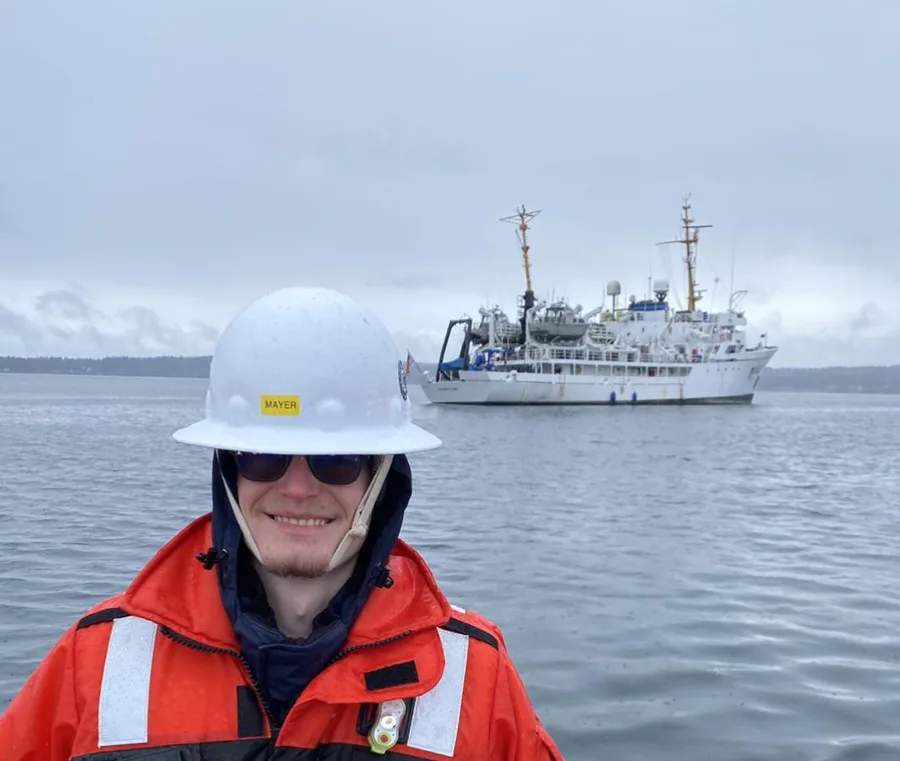
Reaching senior surveyor typically takes a couple of years of accumulated fieldwork, and the role marks a real shift in responsibility rather than just a title change. A senior surveyor may lead a small survey crew or a specific project component, perform advanced data processing and quality control rather than routine acquisition, interact directly with clients on project requirements, and begin specializing in a particular survey type or processing technique. It's also the point at which a surveyor's schedule starts to reflect that responsibility — being on call for weekends and holidays becomes part of the job, because data quality problems and equipment issues don't wait for business hours.
Principal Surveyor and Party Chief: Managing People, Not Just Data
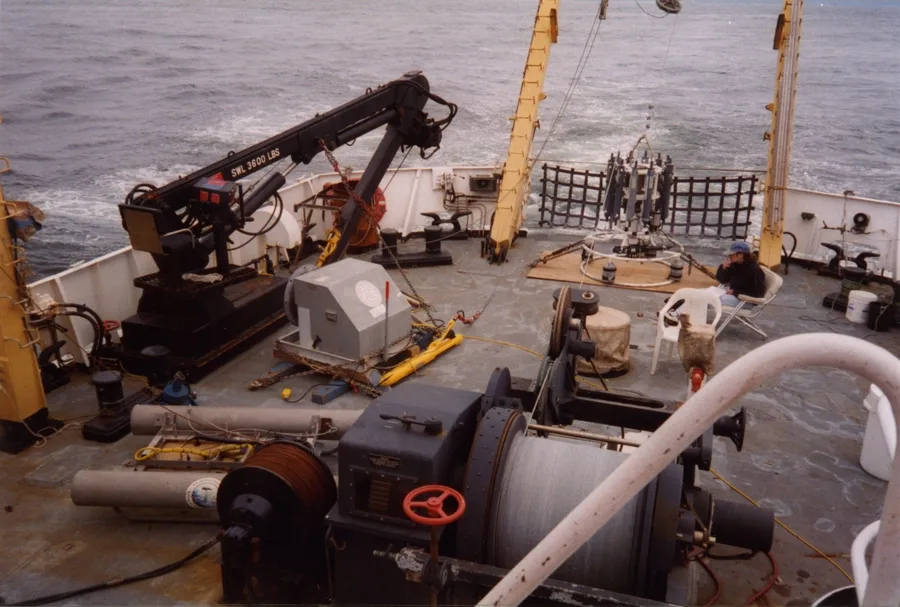
The next step up from senior surveyor is principal surveyor, a role that can be assigned in a more managerial direction as either project manager or party chief. A party chief supervises field operations, coordinates the survey team across shifts and crews, takes ultimate responsibility for data quality across an entire project rather than a single component, and liaises directly with clients and stakeholders on scope, schedule, and deliverables. It's a role built less around personally running acquisition and more around making sure everyone who is running acquisition is doing it correctly, on schedule, and to a standard the party chief is willing to sign off on.
Beyond Party Chief: Consulting and Specialization
With roughly five to ten years of experience under established companies, some surveyors move into freelancing, consulting, or starting their own survey business — a path that trades the structure of employment for day-rate work and the flexibility to choose projects. Others move laterally rather than upward, into technical support, client liaison, or specialized processing roles that don't carry a party chief's staff-management responsibilities but do carry deep technical authority in a narrower area. Neither path is strictly "above" the other; they represent different answers to what a senior surveyor actually wants more of — autonomy, technical depth, or people management.
What the Pay Reflects
Compensation across this ladder in the UK market illustrates the trajectory concretely: entry-level surveyors typically earn roughly £16,000 to £25,000 annually plus an offshore daily allowance of £70 to £110, experienced surveyors move into a £25,000 to £50,000 range with an offshore allowance that can reach £25,000 annually, and senior or chartered surveyors reach £45,000 to £60,000 — while freelancers working day rates can earn £300 to £500 per day offshore. The jump between bands tracks the same shift described above: it isn't primarily paying for more technical knowledge, it's paying for the judgment and accountability that comes with each step up the ladder.
The Ladder Is a Guide, Not a Fixed Track
Not every surveyor wants to become a party chief, and not every good party chief was the strongest technical surveyor at the senior level — the two skill sets overlap but aren't identical. What the ladder does provide is a shared vocabulary for a genuinely broad profession: knowing whether you're talking to a trainee, a senior surveyor, or a party chief tells you a great deal about what that person is actually responsible for on a given project, and what kind of decision you should be bringing to them.
References
- RoleCatcher, "Hydrographic Surveyor - Career Guide," https://rolecatcher.com/en/careers/professionals/science-and-engineering-professionals/architects-and-designers/cartographers-and-surveyors/hydrographic-surveyor/
- Environmental Science.org, "What Is a Hydrographic Surveyor? Career & Salary Guide," https://www.environmentalscience.org/career/hydrographic-surveyor
- UTM Consultants, "Career Guide: Hydrographic Surveyor," https://www.utmconsultants.com/career-guide-hydrographic-surveyor/
- IMarEST, "Hydrographic Surveying," https://www.imarest.org/education-and-training/marine-careers/hydrographic-surveying.html
- NOAA Office of Marine and Aviation Operations, "Meet the Crew: Garret Mayer, Hydrographic Senior Survey Technician," https://www.omao.noaa.gov/marine-operations/news-media/article/meet-crew-garret-mayer-hydrographic-senior-survey-technician
Related Articles